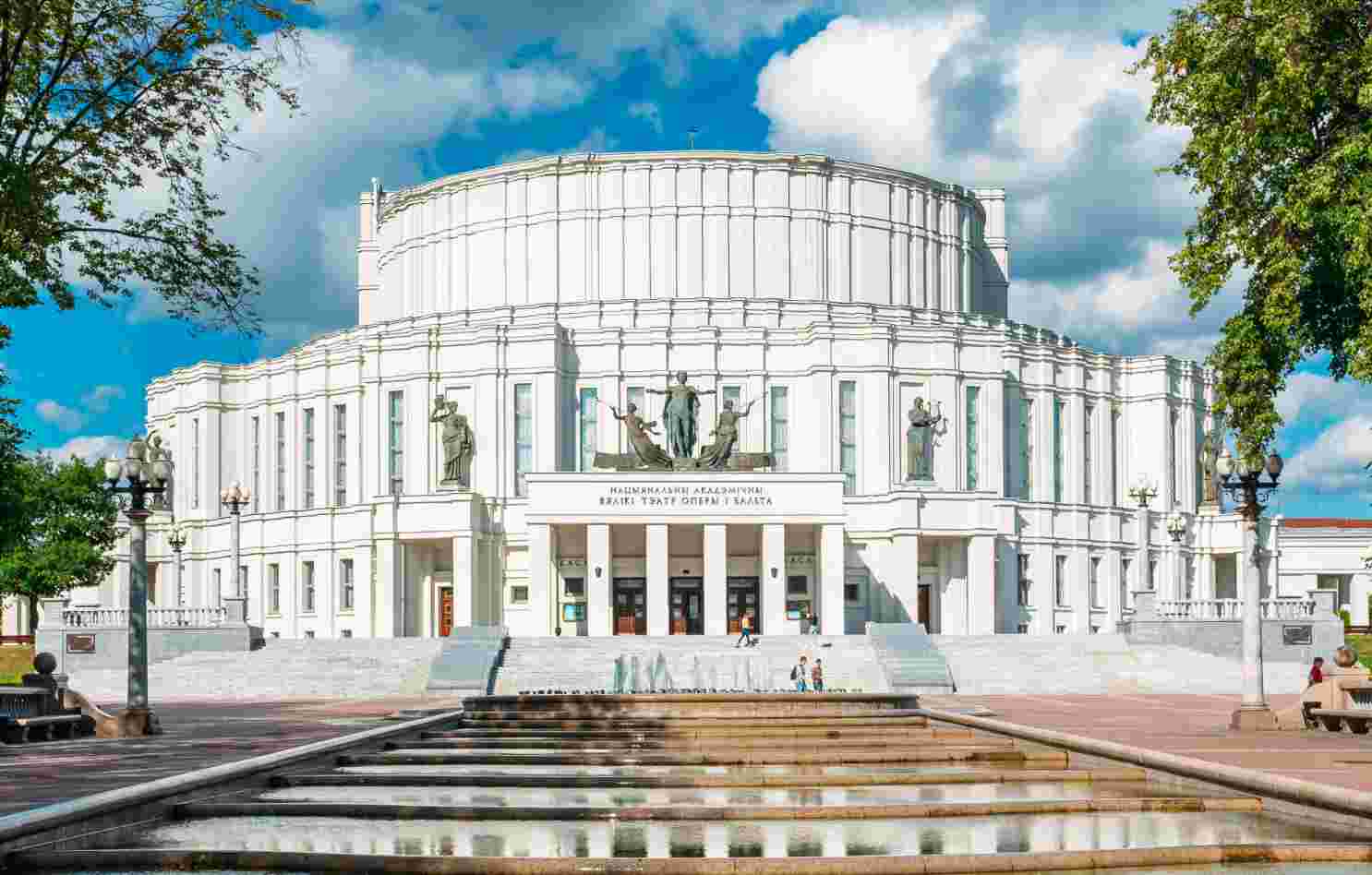
Tucked quietly between Eastern and Central Europe, Belarus is a land shrouded in mystery and misjudgment—often overlooked but rich in soul, resilience, and surreal beauty. Here, time moves differently. Thick primeval forests stretch for miles, medieval castles rise from fog, and Soviet relics stand stoically beside revived cultural landmarks. In Minsk, the capital, you’ll find wide boulevards, grand Stalinist architecture, and a surprisingly progressive undercurrent of art, design, and digital innovation. The city, nearly leveled in WWII, was reborn with imposing symmetry—yet its neighborhoods, creative spaces, and cozy underground bars reflect a young energy questioning its past while shaping its own narrative. Beyond Minsk, Belarus reveals itself slowly. Mir Castle and Nesvizh Palace, both UNESCO-listed, are architectural jewels—ornate reflections of the country’s aristocratic legacy and tangled European roots. Wander their halls and gardens, where Polish-Lithuanian nobility once roamed and stories of war, beauty, and betrayal still whisper through ancient stones. For a breath of deep nature, Belovezhskaya Pushcha National Park, one of Europe's last primeval forests, is home to ancient oaks, misty marshes, and the mighty European bison. It’s a place of silence and awe, where the wild still rules and the modern world feels distant. In Brest, on the border with Poland, the monumental Brest Hero-Fortress honors one of WWII’s most tragic stands. But there’s more than history here—quiet riverside cafés, 19th-century streets, and an artistic undercurrent that surprises many.
Plan Your Journey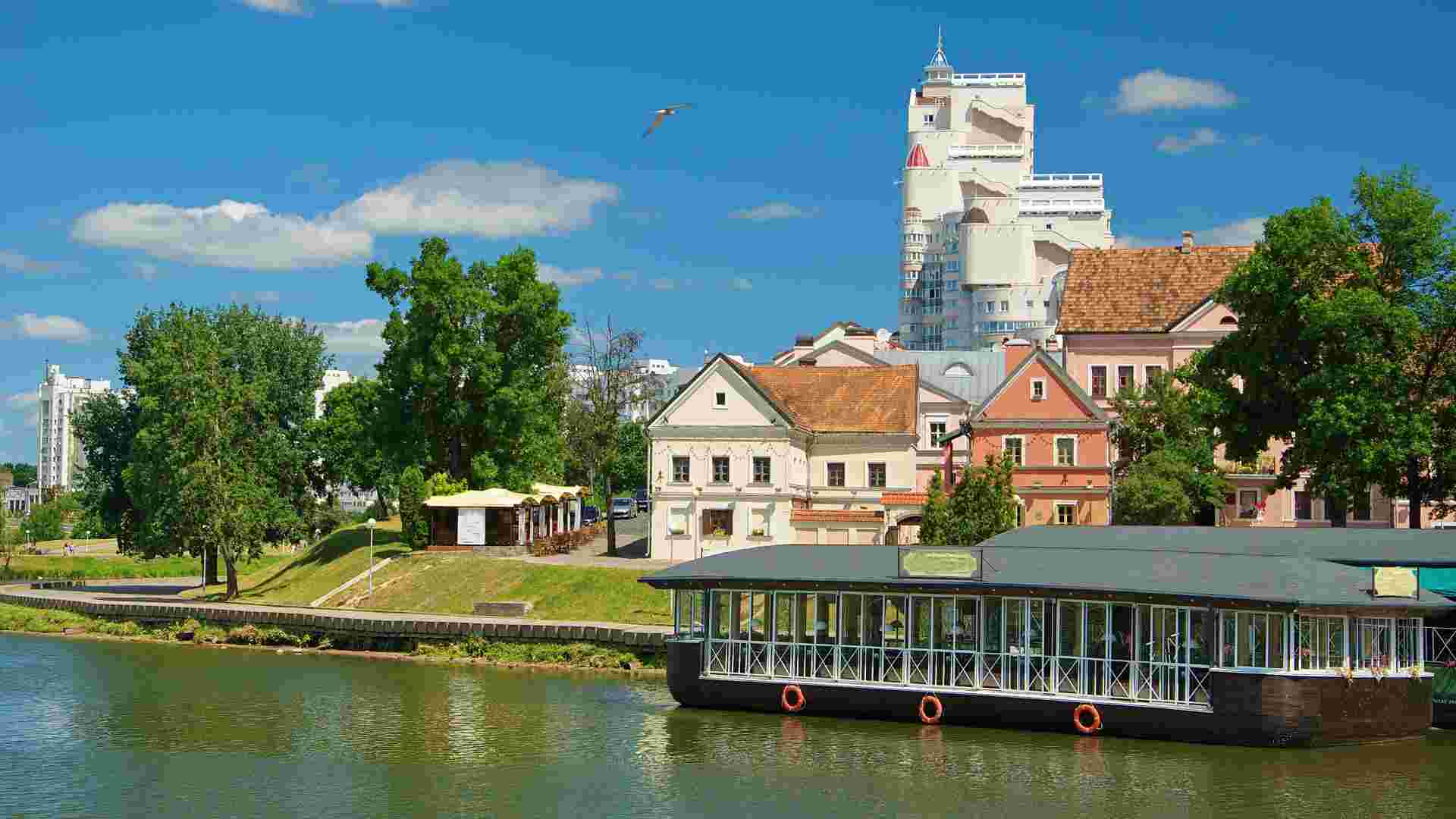
A capital of contrast: stoic, soulful, and surprisingly artistic
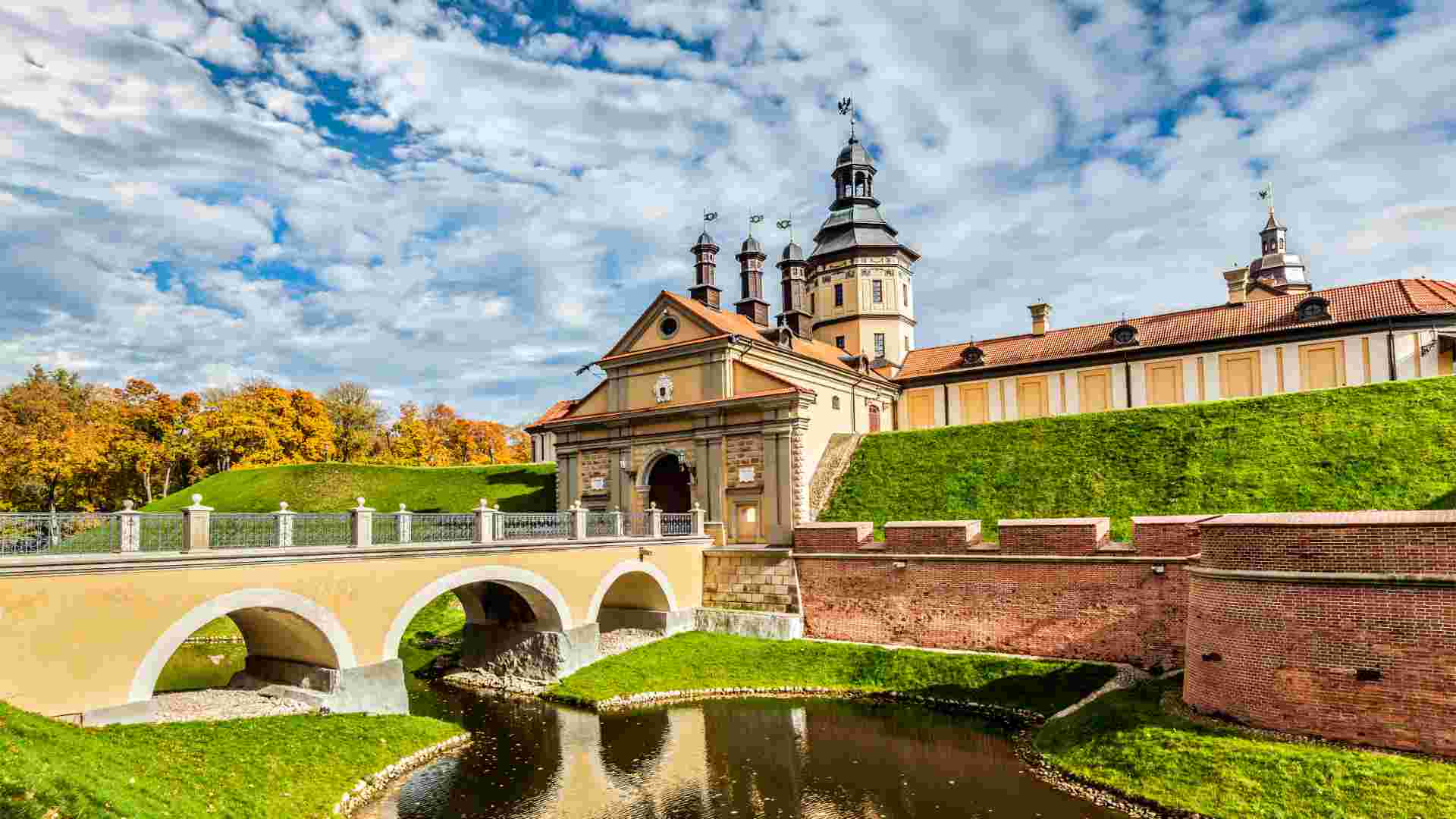
Twin castles steeped in grandeur and intrigue
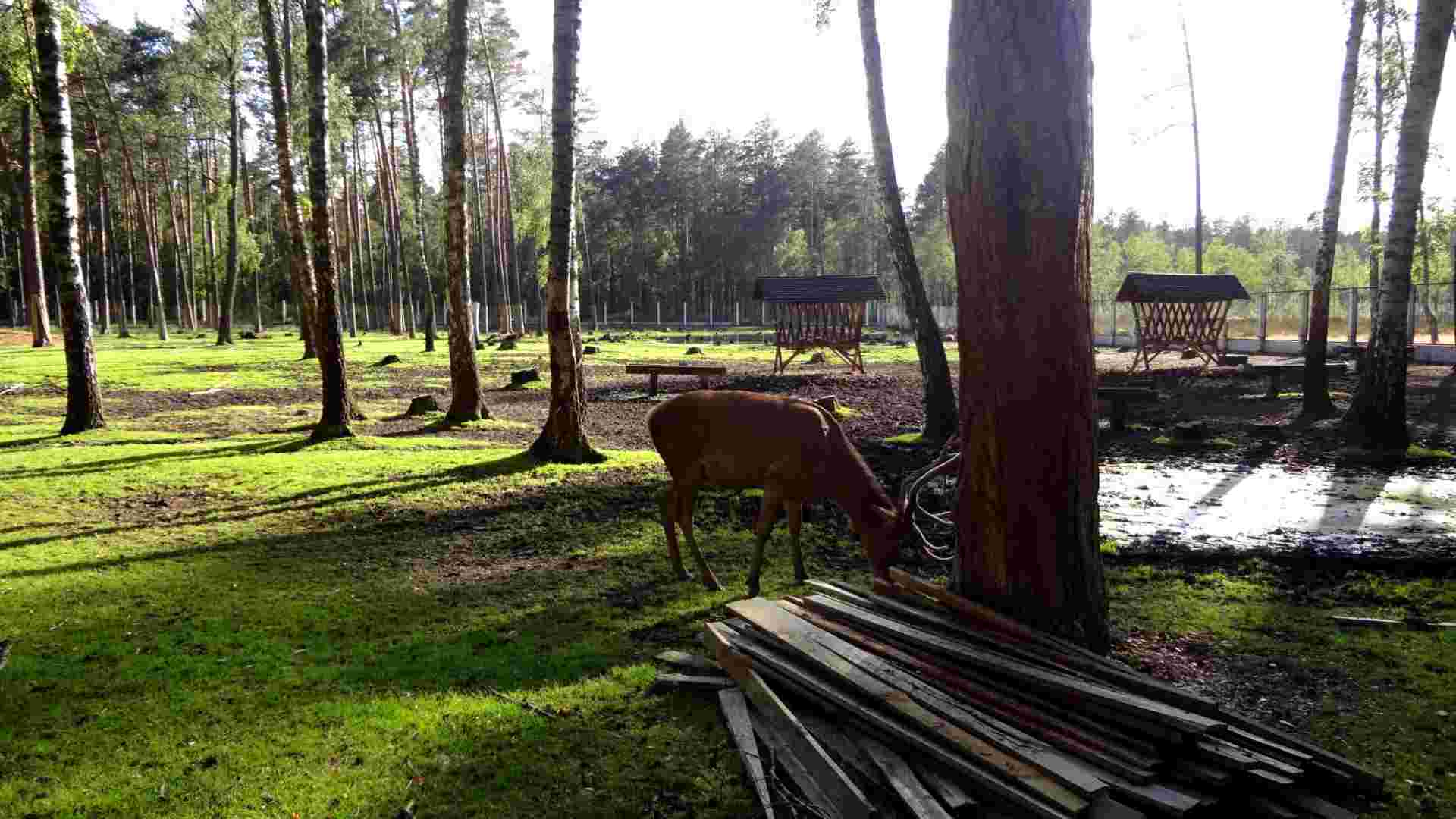
A walk through Europe's ancient, enchanted woods
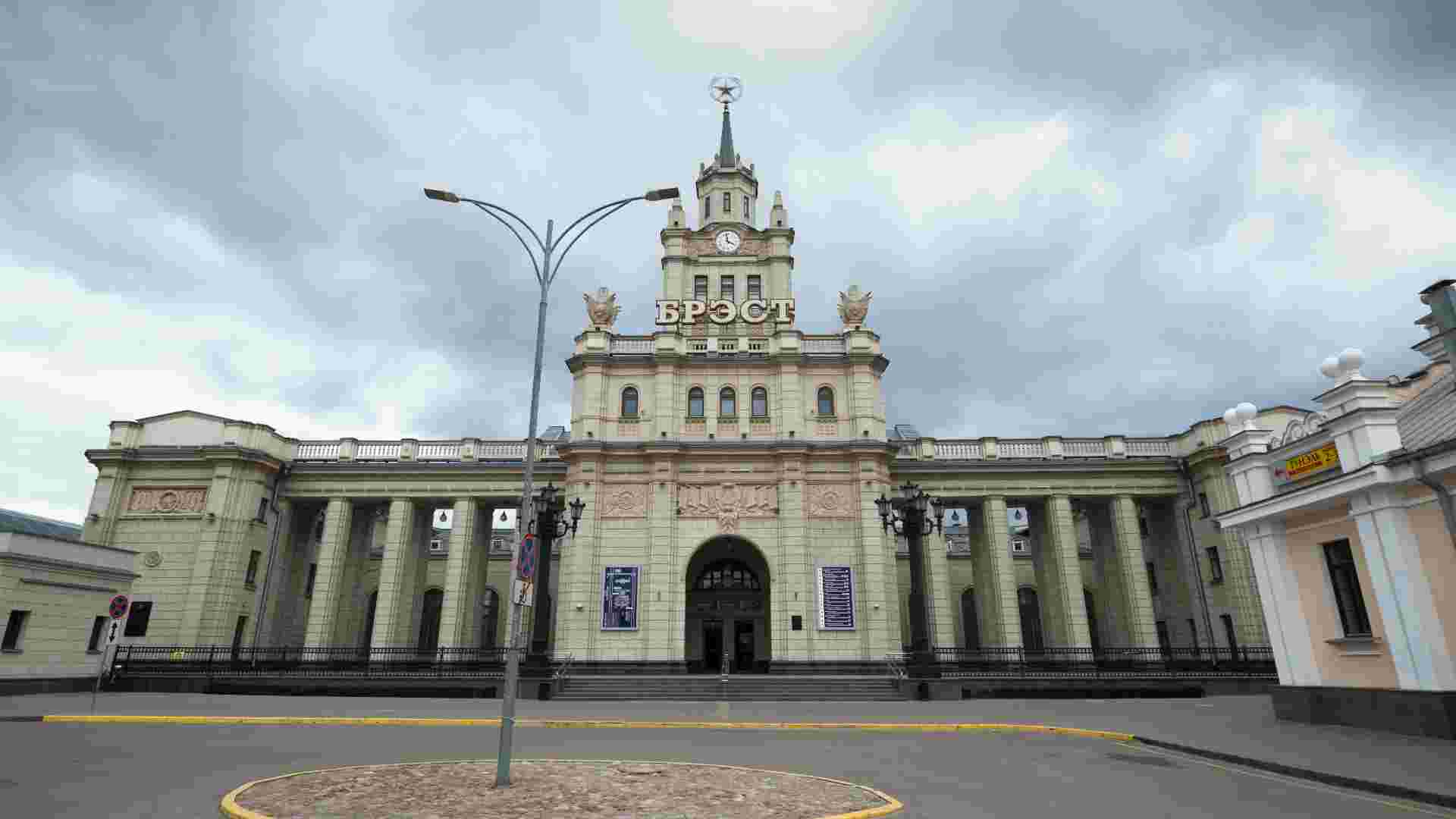
Heroic history and borderland beauty
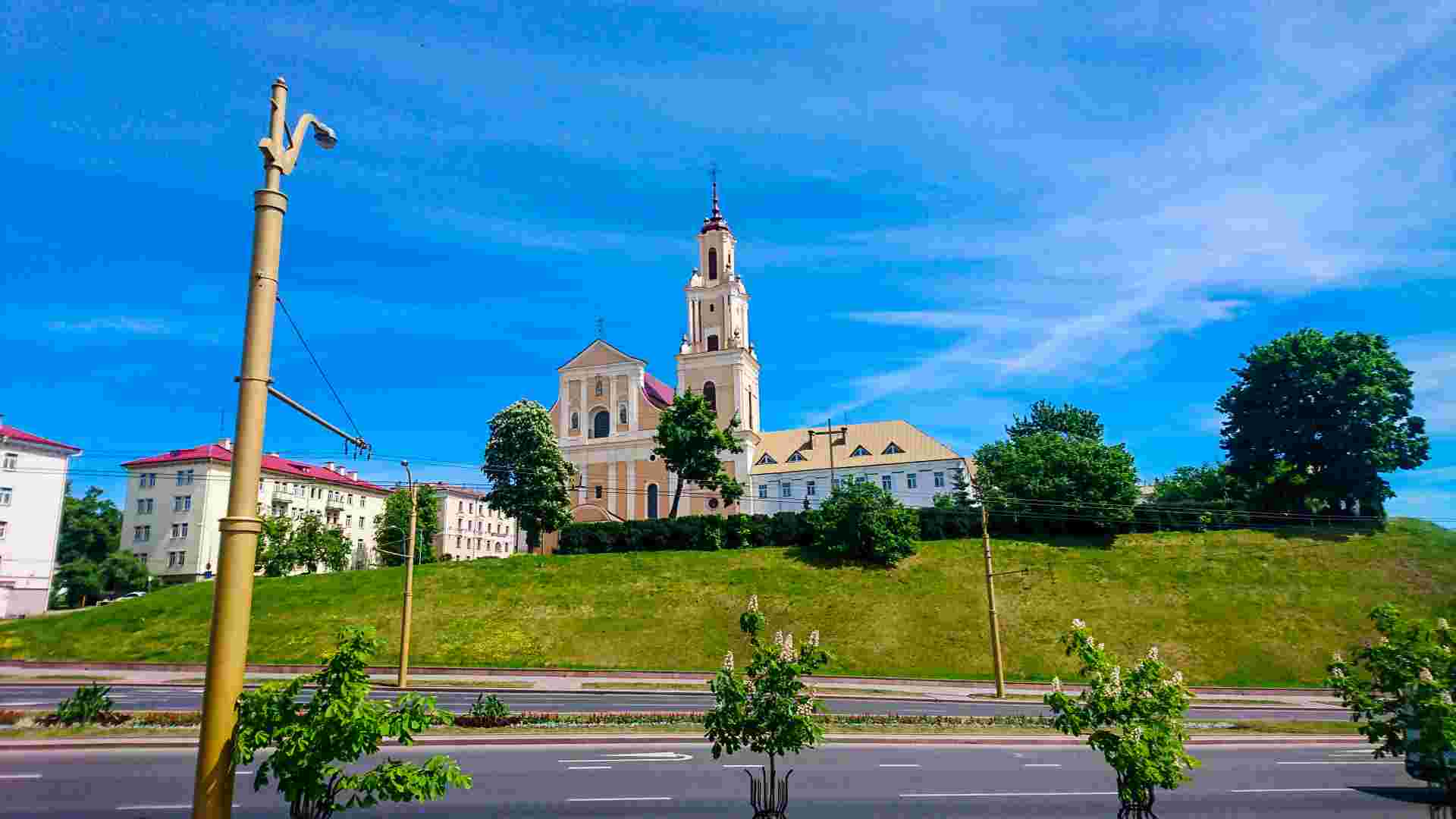
A colorful old town with baroque churches and a slower rhythm
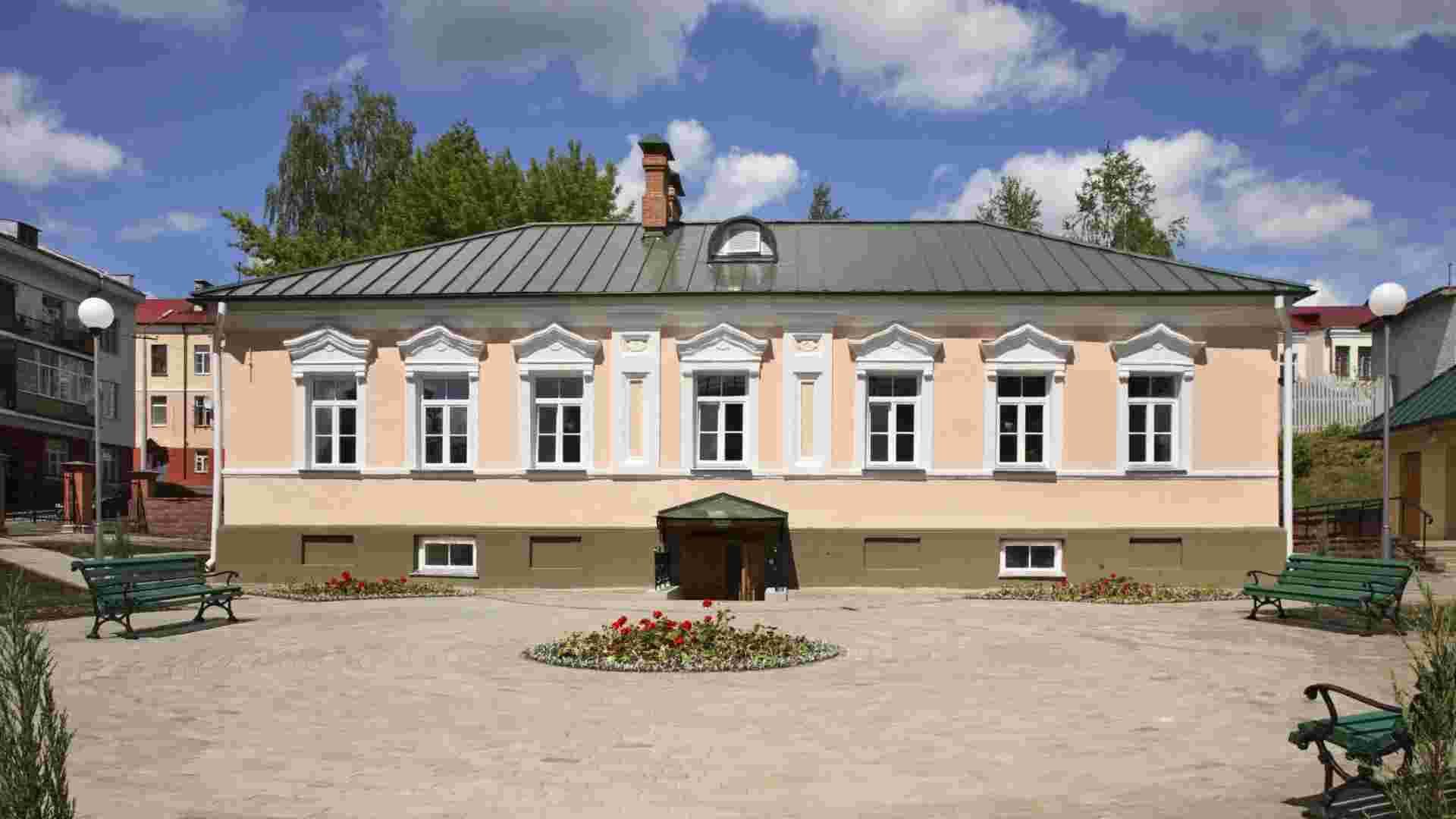
Belarus’s oldest city, filled with spiritual stillness and Slavic heritage
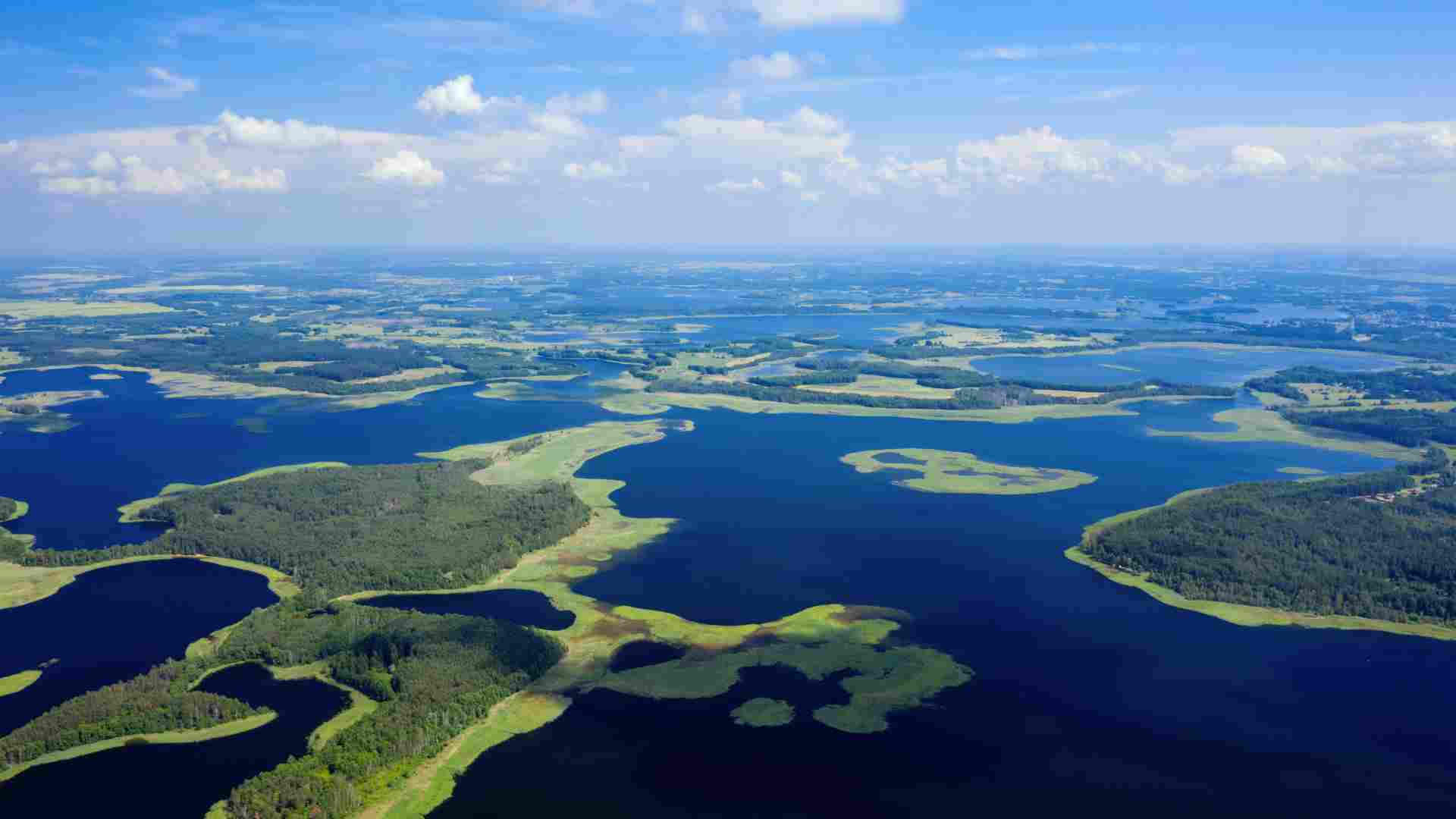
A quiet paradise of water, pine, and sky—perfect for introspective escapes
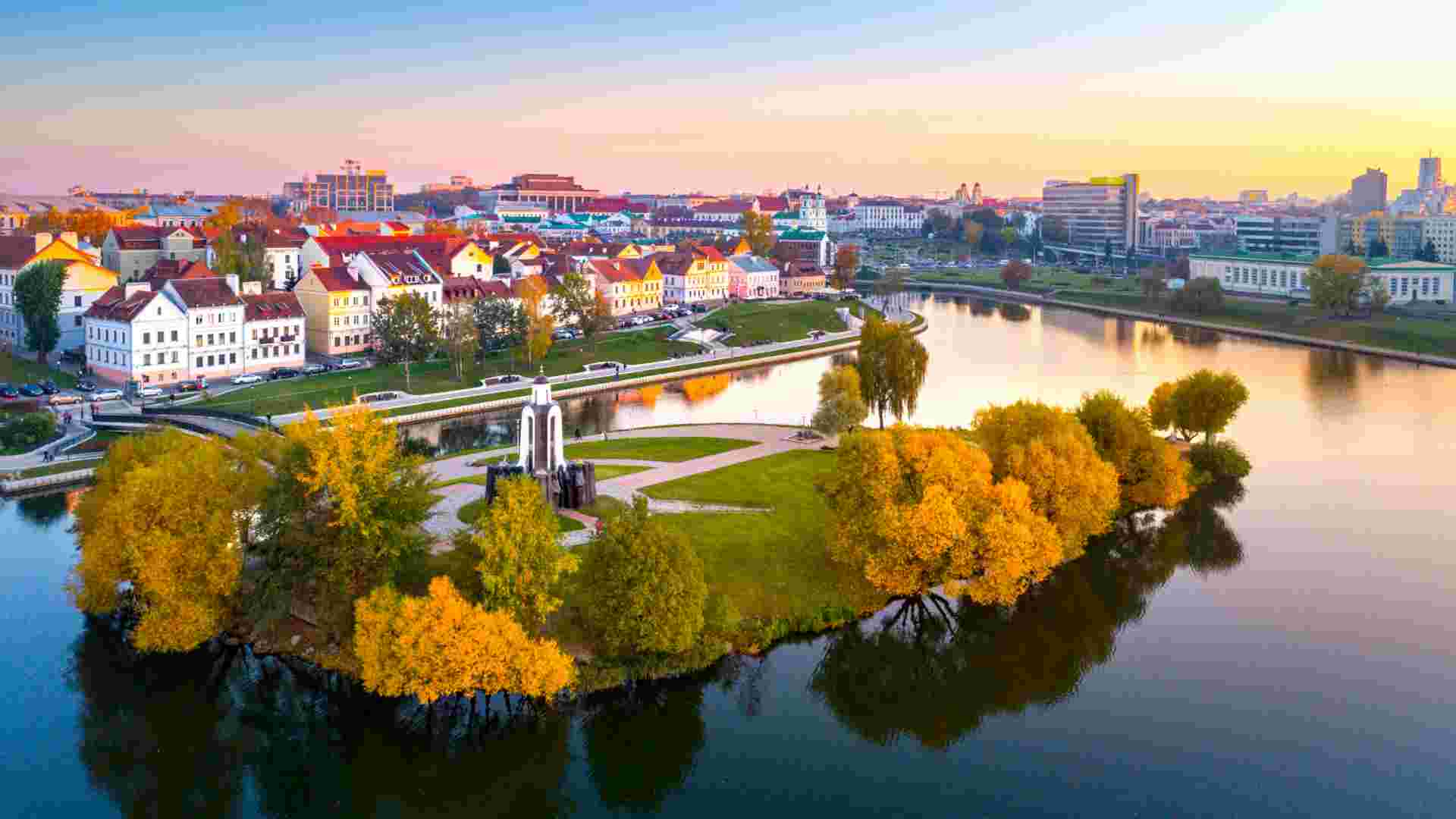

May to September – For green landscapes, open-air festivals, and comfortable temperatures
October – For golden autumn foliage, especially in the forests
December to February – For snow-covered castles and festive markets