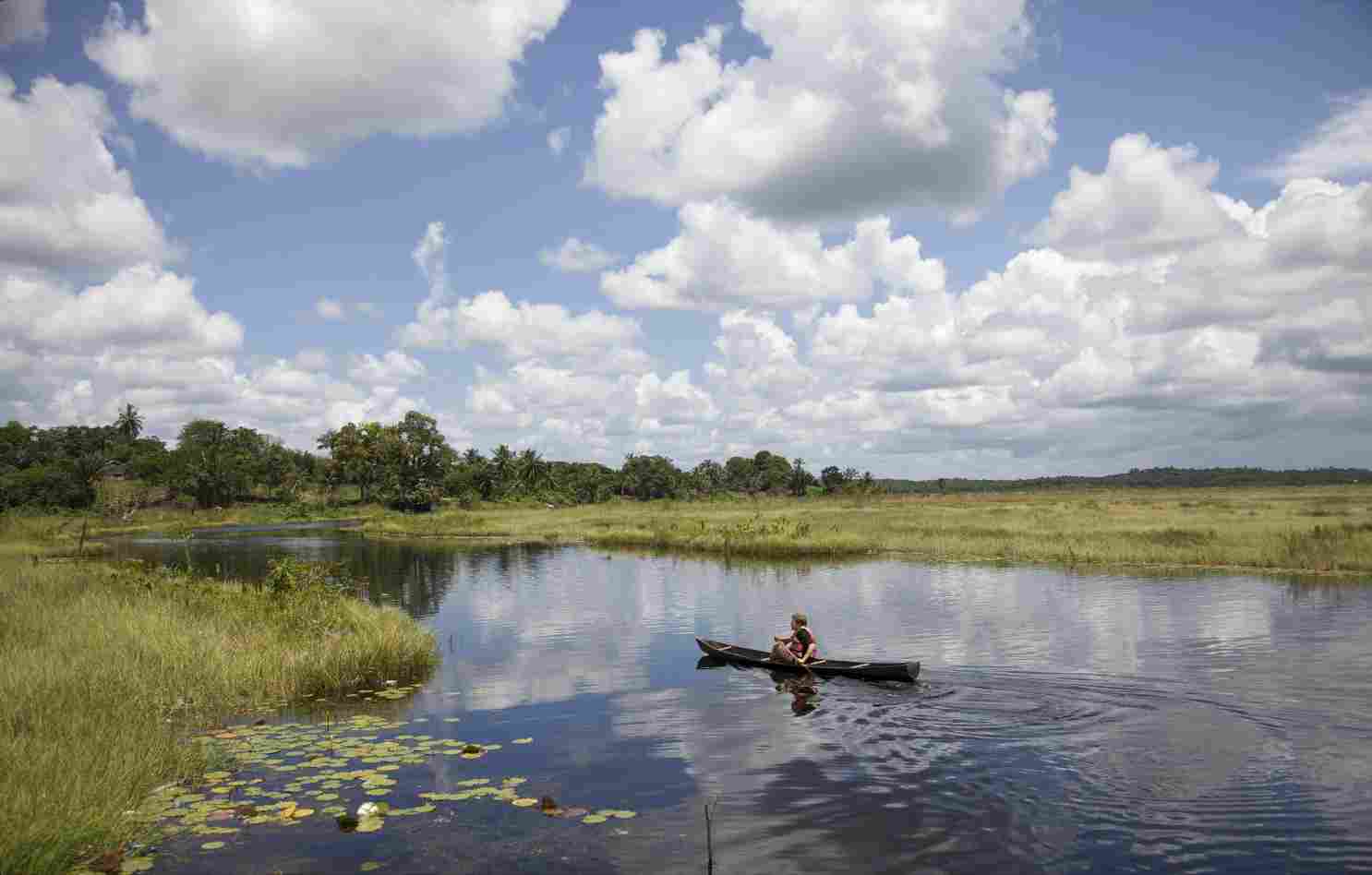
Guyana is a hidden gem on the northern coast of South America, bordered by Venezuela, Brazil, and Suriname. It is a country of vast rainforests, winding rivers, and rich cultural diversity, combining Indigenous, African, Indian, and European influences. Unlike more traveled South American destinations, Guyana remains largely off the beaten path, offering an authentic, untouched natural environment ideal for adventure travelers and nature lovers. Its rugged landscapes are home to spectacular waterfalls, rare wildlife, and expansive wilderness, making it perfect for those seeking eco-tourism and remote jungle experiences. The capital, Georgetown, blends colonial architecture with lively markets and a multicultural atmosphere.
Plan Your Journey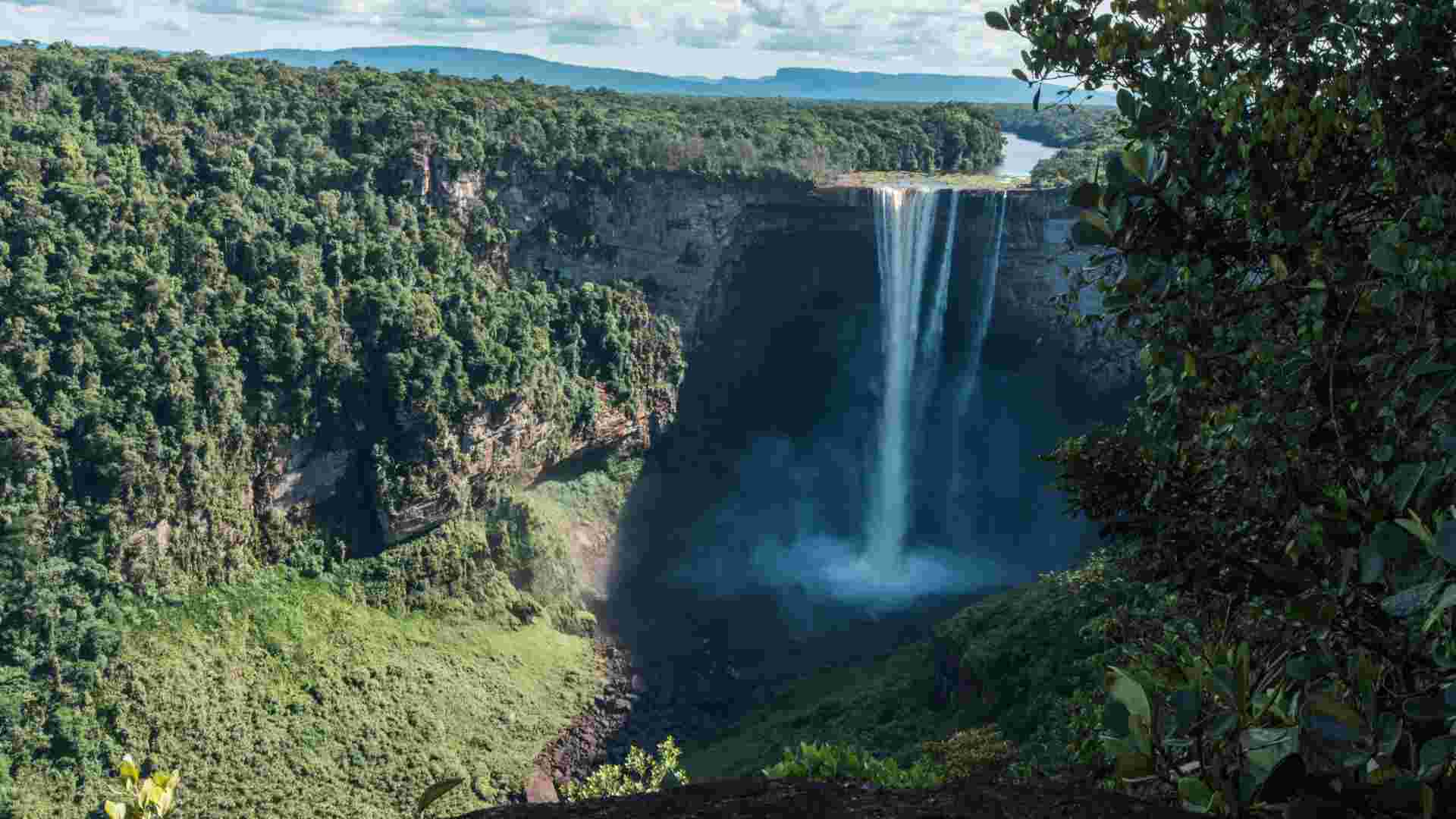
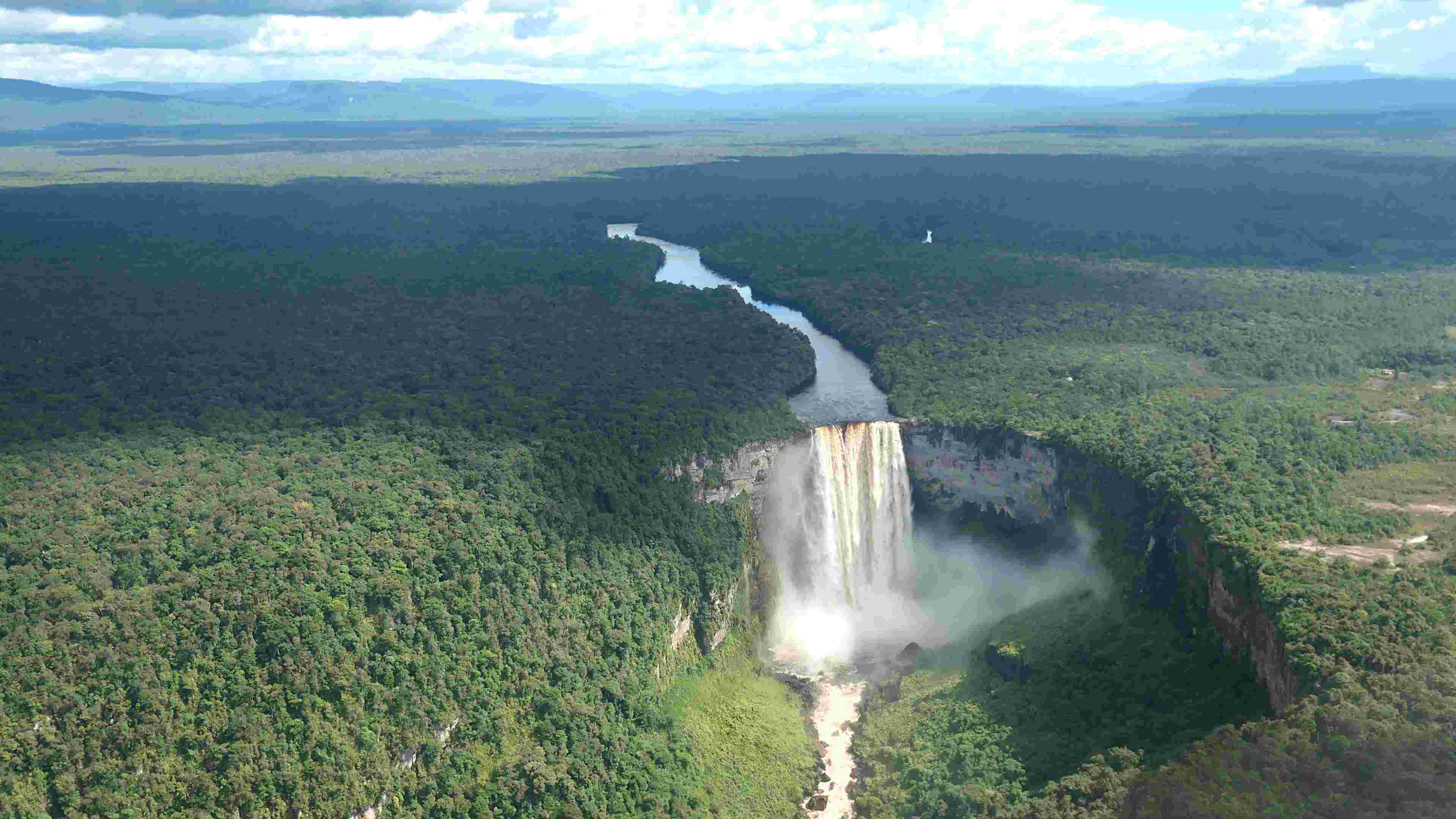
One of the world’s most powerful single-drop waterfalls, Kaieteur Falls is located deep within the Amazon rainforest. Accessible by small plane or guided tours, it offers breathtaking views and a chance to see rare plants and animals.

The capital city features British colonial architecture, colorful markets like Stabroek Market, and cultural landmarks such as the Gothic-style St. George’s Cathedral. It’s a good starting point for exploring Guyana’s diverse heritage.
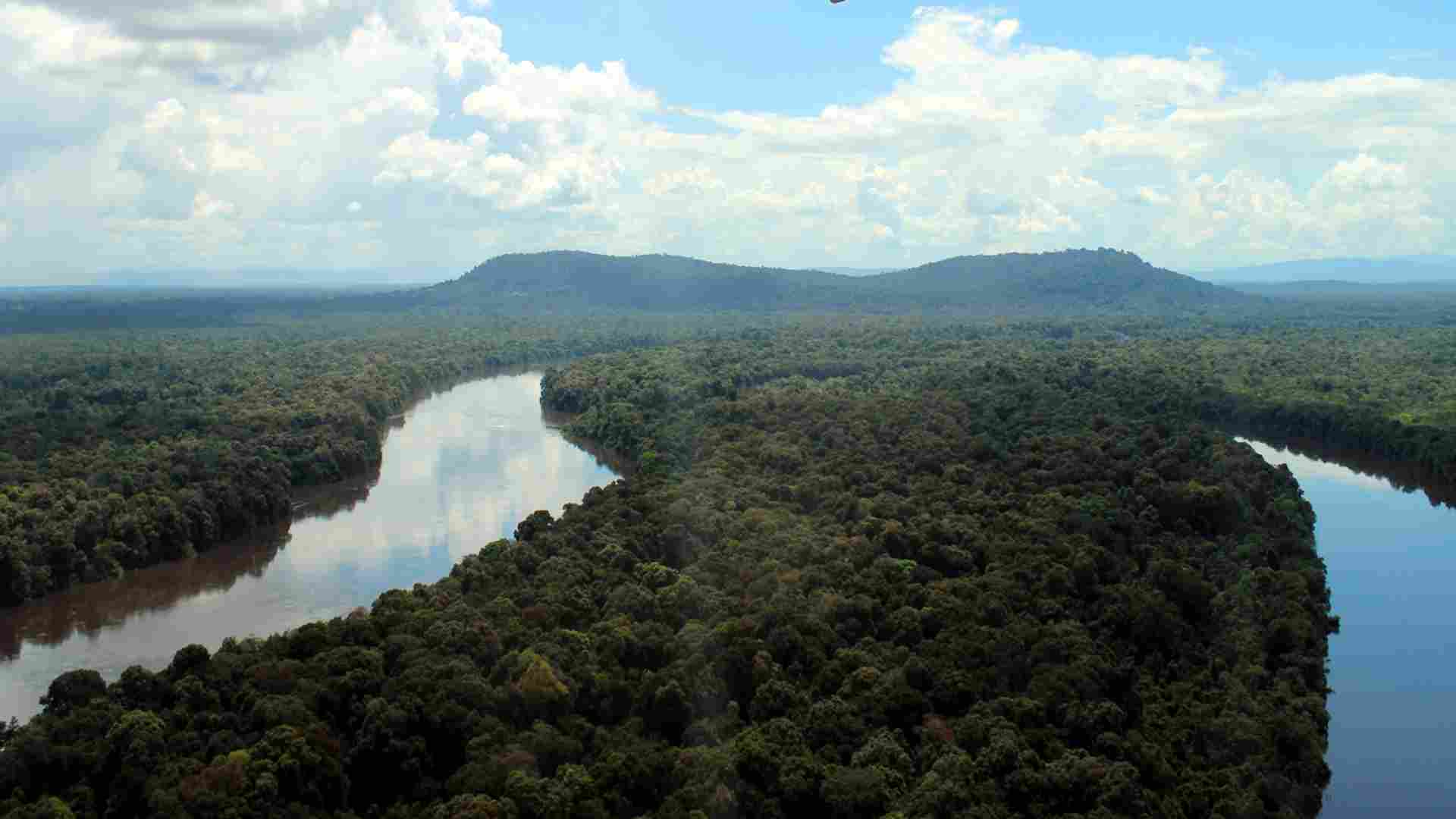
A vast protected area offering guided eco-tours, canopy walks, and wildlife spotting. Iwokrama is a biodiversity hotspot, home to jaguars, giant river otters, and many bird species.

A vast grassland region offering wildlife safaris, Indigenous villages, and birdwatching opportunities. The area is known for its large herds of cattle, horses, and native animals like giant anteaters and tapirs.

A remote, protected nesting site for four species of sea turtles. Visitors can experience turtle conservation efforts and enjoy the quiet, pristine coastline.


February to April (Dry Season) –The best time to explore the interior, rivers, and rainforest without heavy rain disrupting travel.
August to November –Another dry period suitable for wildlife spotting and hiking.
May to July and December to January (Wet Seasons) –Expect heavier rainfall, which can make travel in remote areas challenging.